Why Do SMEs Need to Prepare Sustainability Reports?
Sustainability shouldn't only belong to large publicly listed companies.
For many SMEs, "sustainability reports" are often seen as tasks only for listed companies. Limited manpower, limited time, unfamiliarity with frameworks, and reliance on Word and Excel for data organization make sustainability seem far removed from daily operations.
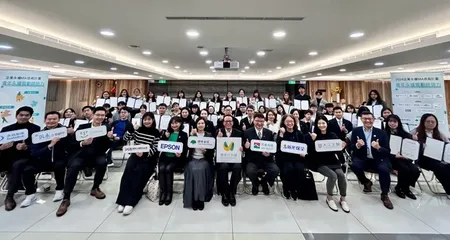
That's why the Food & Beverage ESG Promotion Association and Sustaihub chose a "hands-on approach" to guide SMEs through their first experience.
From "Not Knowing How to Write" to Discovering Your Sustainability Highlights
During the course, a food industry SME shared their experience. In their operations, they inevitably produce "imperfect-looking" but equally delicious food products. To reduce food waste, the company transforms these would-be discarded products into "blessing packages," offering them at lower prices to orphanages. This action is precisely an ESG highlight!
- E (Environment): Reducing food waste and lowering disposal costs
- S (Social): Substantively supporting disadvantaged groups and creating positive community impact
- G (Governance): Avoiding write-off costs and increasing company revenue
In the business owner's mind, this was simply a goodwill gesture for handling inventory, never viewed as a company achievement or highlight. Yet through the sustainability report preparation process, it was reorganized into a complete, compelling ESG case study.
Through sustainability reports, companies clearly see their positive impact on society for the first time and understand that "sustainability" has always been part of their operations.
Companies Do So Much, Yet Still Don't Know How to Write Sustainability Reports?
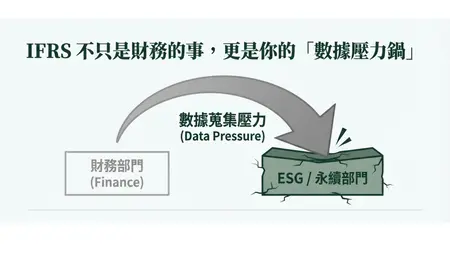
For most SMEs, the issue isn't lacking sustainable actions, but being unable to transform daily practices into structured content. Sustainability coordinators often wear multiple hats, facing three common challenges with ESG:
- Data collection is overwhelming: Not knowing which department to request data from, unclear about what content has disclosure value, and lacking clear formats.
- Comparing with large enterprises: After reviewing hundred-page reports from large companies, they tend to believe their own efforts "aren't worth writing about," losing motivation.
- First-year threshold is too high: Building data structures and narrative logic from scratch is most painful, often stalling at the first step.
In other words, the core issue isn't action, but the absence of expression and organization mechanisms.
Why Are Digital Tools Better for Enterprises Than Traditional Word?
In course design, the team deliberately didn't start with "writing reports." Instead, they let participants first enter Syber Sustainability Management System to experience how digital tools restructure the entire process.
① Built-in Question Templates - Solving "Not Knowing What to Ask"
The system establishes question templates based on common ESG indicators and chapter structures, allowing users to respond step by step without designing questions from scratch:
- Current practices and systems
- Participants and implementation scope
- Quantitative or qualitative results, supporting evidence
- Follow-up improvements and goals
This design converts consultants' common question-breaking methods into directly operable processes, significantly reducing communication costs for sustainability coordinators.
② AI Assistance - Naturally Transforming Data into Content and Charts
After data enters the system, AI helps complete three previously time-consuming tasks:
- Copy and sentence structure organization
- Charts and process visualization
- Key summaries and paragraph polishing
Originally scattered numbers and descriptions quickly transform into readable, externally presentable content modules.
③ AI Design Tools - Accelerating Output
After content structure stabilizes, the course simultaneously guides participants to use AI design tools for layout. Results that originally took months to complete now have publishable versions within 12 hours.
The key advantage of using digital systems for sustainability reports: "Data and processes established in the first year don't disappear - they become the foundation for direct use in future years."
What Did SMEs Learn from This Sustainability Course?
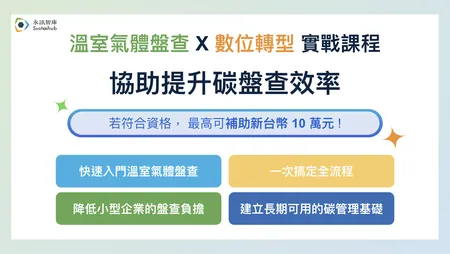
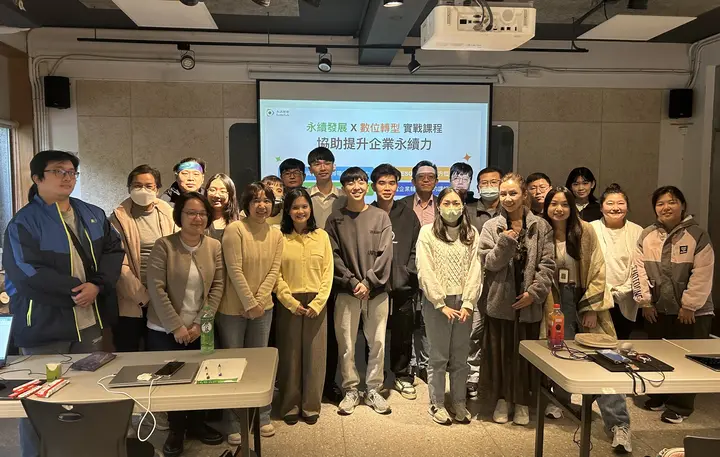
This 12-hour in-person course focused on food and beverage SMEs, starting from the most practical needs to help participants master three key things:
- Establishing understanding of overall sustainability report structure
- Seeing differences between traditional preparation methods and digital tools
- Using sustainability management systems with AI assistance to write content
The course doesn't just stop at concept explanation. From the first session, participants are guided to actually operate the system, transforming course content into deliverable results.
Course satisfaction survey results show participants rated "Was the teaching method helpful?" at 4.56 out of 5, demonstrating substantial support for SMEs in implementing sustainability-related work.
SMEs Can Also Write Their Own Sustainability Reports
Sustainability doesn't necessarily require long-term consultant presence, nor waiting for the company to grow larger. Through appropriate course design and digital tools, SMEs can complete their first sustainability report and clearly present their efforts and value.
If you're preparing to engage with sustainability reports for the first time, or hoping to find more efficient preparation methods, this kind of learning and tools is designed precisely for SMEs.
👉 Find more efficient preparation methods through Syber Sustainability Management System - the best sustainability report collaboration platform for enterprises.
Register for free Lite version now and get one year of sustainability management system access!