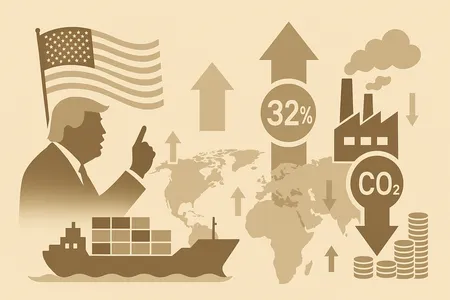

- The EU Sustainability Simplification Omnibus Package aims to reduce compliance pressure and administrative burden on enterprises by simplifying sustainability reporting requirements.
- The proposal covers the Corporate Sustainability Reporting Directive (CSRD), Corporate Sustainability Due Diligence Directive (CS3D), EU Taxonomy, and Carbon Border Adjustment Mechanism (CBAM).
- Key adjustments include: limiting the number of enterprises subject to regulations, relaxing reporting timelines, and reducing data collection complexity.
Background and Objectives: EU Sustainability Simplification Omnibus Package
The "EU Sustainability Simplification Omnibus Package" was promoted by European Commission President Ursula von der Leyen, aimed at simplifying regulations including the Corporate Sustainability Reporting Directive (CSRD), Corporate Sustainability Due Diligence Directive (CSDDD), EU Taxonomy, and Carbon Border Adjustment Mechanism (CBAM) to reduce administrative burden while maintaining reporting transparency.
Core changes include reducing the scope of applicable enterprises, postponing reporting deadlines, and simplifying data requirements. This responds to issues raised by former European Central Bank President Mario Draghi in his competitiveness report about complex regulations harming corporate competitiveness. In early 2025, Germany and France called for simplification, and the Commission released Omnibus I and II proposals on February 26, balancing sustainable development with economic competitiveness.
Key Overview: Proposed Amendments to CSRD, CSDDD, EU Taxonomy, and CBAM
The EU Sustainability Simplification Omnibus Package released on February 26, 2025, makes several modifications to existing sustainability directives. Here are the main proposed changes and their impact on enterprises:

Regulation Explanations:
- Corporate Sustainability Reporting Directive (CSRD): CSRD outlines sustainability information companies must report. The purpose is to ensure investors and stakeholders have access to information needed to assess company impacts on people and environment, and to evaluate financial risks and opportunities from climate change and other sustainability issues.
- Corporate Sustainability Due Diligence Directive (CSDDD): CSDDD aims to promote sustainable, responsible corporate behavior in operations and global value chains. New rules will ensure companies can identify and address potential and actual adverse human rights and environmental impacts in their operations, subsidiaries, and value chains.
- EU Taxonomy: The EU Taxonomy establishes a classification system for enterprises to determine which economic activities are considered sustainable.
- Carbon Border Adjustment Mechanism (CBAM): The purpose is to levy fair carbon taxes on high-carbon emission goods entering the EU based on production carbon emissions, thereby driving non-EU countries toward greener industrial production methods.
Next Steps for EU Sustainability Simplification Omnibus Package
The EU Sustainability Simplification Omnibus Package is still in early stages, currently only a draft version. The European Commission proposes relaxing regulations and extending compliance deadlines, but content is still under discussion and may change due to negotiation progress. The legislative process is lengthy and complex, requiring debate, amendments, and further review.
Below is an overview of subsequent legislative procedures and processes:

EU legislation requires multi-party institutional consultation. Final content needs approval from the European Parliament and Council, with support from at least 55% of member states (representing 65% of EU population). Although major countries like Germany and France have expressed support for some proposals, consensus from other member states is still required.
What Should Enterprises Do?
Facing potential adjustments and uncertainties from the EU Sustainability Simplification Omnibus Package, enterprises should not hastily change current operational processes. Most enterprises have already invested in building regulatory-compliant sustainability disclosure systems and should continue deepening these foundations, using sustainability as a strategic tool for long-term value creation rather than merely compliance response. Enterprises are advised to take the following approaches:
1. Stabilize internal systems, respond flexibly to changes
- Continuously track Omnibus Package progress through internal and external working groups
- View reporting as a strategic tool for net-zero transformation, maintaining team and resource flexibility
- Prepare for potential changes to avoid investing more personnel and costs later
2. Actively communicate with stakeholders, strengthen trust and collaboration
- Internal teams: Strengthen department communication and coordination, including procurement, compliance, and business, ensuring carbon management and reporting operations are optimized synchronously
- Supply chain partners: Even if regulations may be relaxed, continue requiring suppliers to cooperate in collecting and reducing Scope 3 emissions to consolidate long-term cooperation and value chain resilience
- Investors and consumers: Sustainability remains an important basis for assessing corporate value and brand trust. Capital markets will continue to value transparency and credibility of sustainability information
3. Leverage external resources and digital tools to accelerate disclosure response
Enterprises can track EU policy developments through external consultants or ESG-related digital tools. Sustaihub provides ESG consulting services and sustainability management systems to offer the latest information on how proposed changes may affect corporate disclosure obligations:
- ESG Consulting Services - Assist in interpreting regulations, building systems, and optimizing materiality assessments to respond to regulatory requirements
- Syber Sustainability Management System - Designed specifically for sustainability information disclosure, helping enterprises strengthen governance capabilities under compliance requirements:
-> Support multiple frameworks for compliance assistance
Each indicator can correspond to multiple international standards (such as ESRS, GRI, ISSB), achieving single input with multiple applications, effectively improving data inventory efficiency and response flexibility
-> Ensure accuracy of sustainability information
Establish department review processes, maintain audit trails, centralize supporting document management, accelerate third-party verification and internal/external control mechanism implementation
To discuss your digital sustainability transformation, please contact us at: [email protected]