Carbon Inventory System
There are 7 results for "Carbon Inventory System"
Articles related to Carbon Inventory System
-
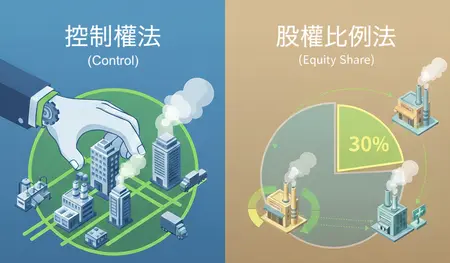
How to Choose the "Boundary Setting Method" for Carbon Inventory? Understanding Control Approach vs. Equity Share Approach
When executing a carbon inventory project, the first task is to define the "organizational boundary." If the boundary is unclear, which emission sources and activity data should be included often lacks consistent standards. This article explains operational control, financial control, and equity share approaches in plain language to help readers choose the appropriate method.
-
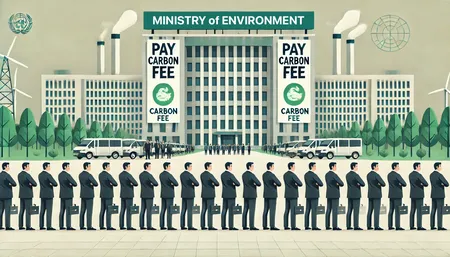
[2025 Carbon Fee Guide] How Enterprises Can Reduce Carbon Fees from NT$300 to NT$50 Through Voluntary Reduction Plans
With the Climate Change Response Act officially in effect, the carbon fee system has become one of the operational costs that Taiwanese enterprises must take seriously. Companies subject to government-regulated carbon fee collection, including power, gas supply, and manufacturing industries with annual direct or indirect greenhouse gas emissions reaching 25,000 metric tons of CO₂e, will need to pay carbon fees of up to NT$300 per ton of CO₂e. Facing carbon fee pressure, the key for enterprises to reduce payment amounts lies in proposing and passing a 'Voluntary Reduction Plan,' which qualifies them for preferential rates of NT$50 or NT$100 per ton. This article explains how systematic planning and reporting for voluntary reduction plans can not only legally save expenses but also help enterprises with long-term net-zero planning.
-
Trump Announces Paris Agreement Withdrawal Again, Yet It's the Perfect Opportunity for Taiwan Enterprises to 'Overtake' Major Players?!
On January 20, 2025, with the announcement of the US withdrawal from the Paris Agreement, global carbon reduction efforts faced significant impact. As the world's second-largest carbon emitter, the US's reduced commitment to climate agreements not only weakens the coordination of international cooperation but may also cause some countries and enterprises to relax their carbon reduction efforts. However, supply chain pressure has not diminished, especially as the EU and other regions maintain strict carbon emission management requirements, with global brands and purchasers still requiring supply chain partners to maintain high-standard carbon inventory capabilities.
-
Choose a starting point for the task you are working on
Find peer reportsSustainability Report DatabaseSearch Taiwanese corporate ESG reports for free (10,000+ reports).Find peer reports → Selection guideTaiwan ESG Reporting Software Selection GuideCompare the features and costs of ESG reporting systems before deciding which tool to use.Read the selection guide → SyberCoordinate disclosure with SyberChapter ownership, data collection, AI drafts, and review records.See the Syber reporting workflow → -
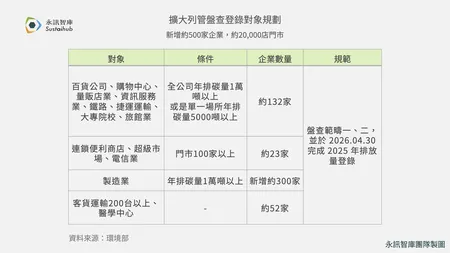
500 More Companies Face Mandatory Carbon Inventories, with 2030 Reduction Targets of up to 30%
Taiwan's new 2030 emissions reduction target is 28% below the 2005 baseline, plus or minus 2 percentage points, alongside expanded carbon inventory registration coverage.
-
COP29 Insights: How Carbon Inventory Transforms from Compliance to Competitive Advantage
Against the backdrop of global decarbonization trends and rapid development of international carbon markets, carbon inventory has long transcended being merely a compliance requirement—it has become a critical task determining an enterprise's future competitiveness. Accurate data, transparent management, and efficient solutions will be the core weapons for enterprises to stand out in the carbon market.
-
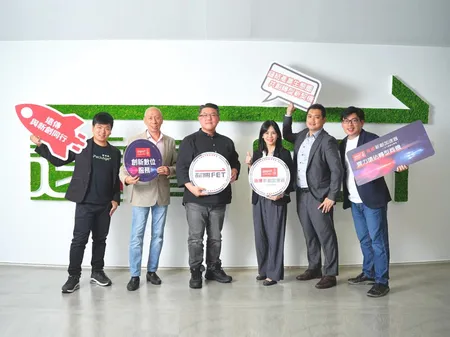
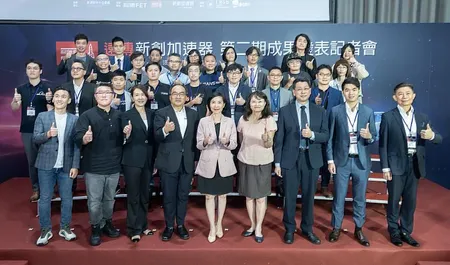
FET Leads by Example, Partners with 3 Startup Champions to Build Net-Zero Ecosystem
Net-zero carbon emissions by 2050 has become a global trend. Taiwan's Climate Change Response Act came into effect in February. According to the FSC's 'Corporate Governance 3.0 Sustainable Development Blueprint,' listed companies with paid-in capital exceeding NT$2 billion must submit corporate sustainability reports starting this year to strengthen disclosure of corporate sustainability and climate resilience information. To help enterprises move toward sustainability, the second FET Startup Accelerator has partnered with PackAge+, Sustaihub, and Yongcheng Intelligence - three startup champions - to successfully transform carbon anxiety into carbon business opportunities, leading smaller players to jointly build a net-zero ecosystem.
-
FET Partners with Sustaihub to Launch SME Sustainability Transformation Package Integrating Energy Management and Carbon Inventory Systems
In the post-pandemic era, companies face greater challenges in technological capabilities and development flexibility. FET has taken a forward-looking approach by establishing the FET Startup Accelerator to discover Taiwan's next 'national champion.' Today (September 20), they held the Phase 2 Demo Day, where the accelerated startup teams demonstrated outstanding achievements across five major fields: ESG Net Zero, Smart Healthcare, Smart Retail, Smart City, and Finance & Insurance. Government officials including MODA Digital Industries Department Director General Lu Zheng-hua, NDC Industrial Development Division Deputy Director Chen Qiong-hua, MOEA SME Administration Deputy Director Wu Jia-ying, and National Development Fund Deputy Executive Secretary Tsai Yi-chien attended to witness and support the startup teams.