Insights
Regulatory updates, carbon inventory and AI applications, IFRS adoption experience, corporate case studies, and system updates, written by our consultants and engineers.
-
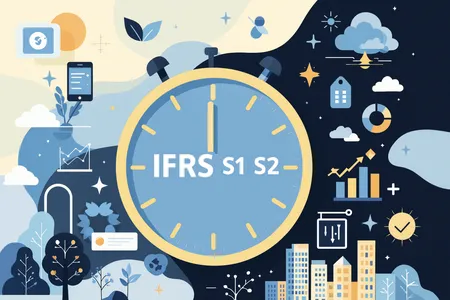
IFRS S1/S2 in Taiwan: Adoption Timeline, Scope and Annual Report Preparation
Check the three-phase IFRS S1/S2 adoption timeline for TWSE/TPEx-listed companies and distinguish reporting periods from filing years. Includes the first-phase 2027 disclosure deadline, a water shortage risk data inventory and examples of cross-department preparation.
-
Taiwan's First Incinerator Transformed into Environmental Education Park: Chiayi County Lucao Incinerator Renovation Unveiled
After 24 years of operation, the Lucao Incinerator in Chiayi County has been renovated over more than 2 years into the Hobaoyu Green Sustainability Park. The project cost NT$1.406 billion. On September 21, Premier Cho Jung-tai, Environment Minister Peng Chi-ming, and Chiayi County Magistrate Wong Chang-liang attended the unveiling ceremony. Premier Cho stated this is a successful example of central-local cooperation and private participation, improving not only waste management but also environmental protection and quality of life. He hopes it will serve as a national model to be promoted to other counties and cities, echoing the emission reduction and sustainability goals emphasized in the government's latest Air Pollution Prevention Plan.
-
What Is XBRL? Understanding the Future of Digital Sustainability and ESG Reporting
At the 2025 ESG Summit hosted last month by the Accounting Research and Development Foundation, digital sustainability was a central topic. XBRL was mentioned repeatedly and drew attention across multiple sessions. Many experts believe that adopting XBRL can improve reporting transparency and data comparability. As global expectations for sustainability information quality become more stringent, XBRL is regarded as a key trend shaping the future of sustainability reporting. This article explains the fundamentals of XBRL and explores how it drives the digital transformation of sustainability information, accelerates ESG tool adoption and improves disclosure efficiency.
-
How is Green Electricity Defined Globally? A Complete Analysis of US and China Policies and Development (Part 1)
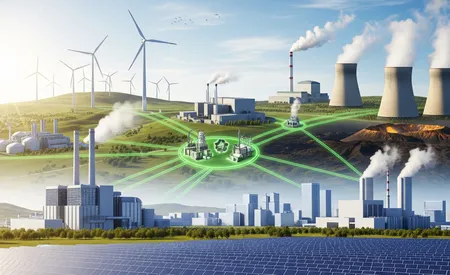
Despite broad global consensus on net-zero emission targets, there are significant differences among countries in defining "green electricity," reflecting their varying land resources, geopolitical considerations, and economic structures. The US tends to include nuclear and natural gas within the broader category of "clean energy," while China focuses on ultra-large-scale deployment of renewable energy. The EU, through its Sustainable Finance Taxonomy, defines nuclear and natural gas as "transitional" sustainable investments under strict conditions.
-
Carbon Trading and Allowances: 5 Global Trends in the ICAP 2026 ETS Report
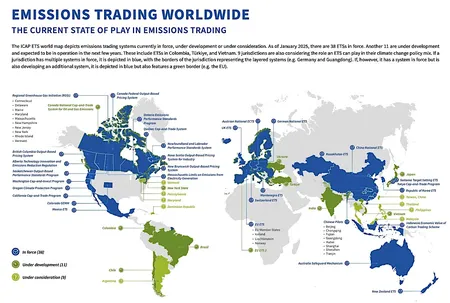
The International Carbon Action Partnership (ICAP) released Emissions Trading Worldwide: Status Report 2026 on 14 April 2026. There are 41 operating emissions trading systems, covering 26% of global greenhouse gas emissions, while jurisdictions with an ETS account for 63% of global GDP. ETS revenues reached a record of nearly US$80 billion in 2025. Japan, India and Vietnam are launching national systems in 2026, and 14 G20 members now have an ETS. Drawing on the latest report, this article examines five trends: market expansion, prices and revenues, sector coverage, offsets and corporate responses.
-
Still Using Word for ESG Data? Sustaihub Syber Sustainability Management System: Digitalization and AI Empowerment
Common challenges most companies face when preparing sustainability reports include: insufficient internal manpower, scattered cross-departmental data that's difficult to integrate, and low efficiency in report editing. Syber Sustainability Management System combines ESG × AI and is now available for "free use," helping significantly reduce the labor costs of ESG operations and quickly responding to report preparation challenges.
-
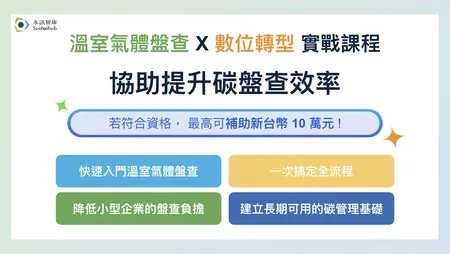
GHG Inventory X Digital Transformation Practical Course, Up to NT$100,000 Subsidy! Boost Your Carbon Inventory Efficiency
The Ministry of Economic Affairs subsidizes digital transformation for SMEs. Sustaihub's "Carbon Inventory Digitization: Enterprise Carbon Inventory Efficiency Upgrade Guide" course qualifies for the "SME Digital Transformation Training Subsidy Program for Companies with 30 or Fewer Employees"! Eligible participants can receive subsidies up to NT$10,000 per person, with a maximum of NT$100,000 per company.
-
Regional Revitalisation and Sustainability: Connecting Local Industries with ESG
Understand regional revitalisation through trends, policies, concepts and case studies.
-
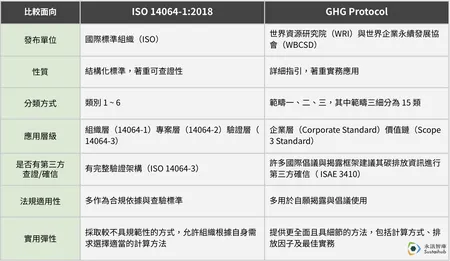
Which Carbon Inventory Standard Should Companies Use? ISO 14064 vs GHG Protocol
Companies preparing to start a greenhouse gas inventory encounter two mainstream international standards: ISO 14064 and the GHG Protocol. Which meets Taiwanese regulatory requirements? Which is better suited to internal carbon management and sustainability reporting? For those responsible for inventories or sustainability reports, this article explains the differences, how to use the standards together, and the latest IFRS S2 developments, helping you meet regulations while strengthening international communication and emissions reduction strategies.