Insights
Regulatory updates, carbon inventory and AI applications, IFRS adoption experience, corporate case studies, and system updates, written by our consultants and engineers.
-
Carbon Inventories for Four Sectors: A Guide to Taiwan's New Ministry of Environment Calculator and Guidance
Following the policy direction of its March 2025 announcement expanding carbon inventory coverage, the Ministry of Environment released greenhouse gas inventory guidance on July 14, 2025 for four sectors: services, transport, medical institutions, and universities and colleges. It also introduced a carbon emissions calculator to help organisations make preliminary estimates. This update is a major benefit for regulated organisations, substantially lowering the administrative cost of inventory work. This article walks through all the details.
-
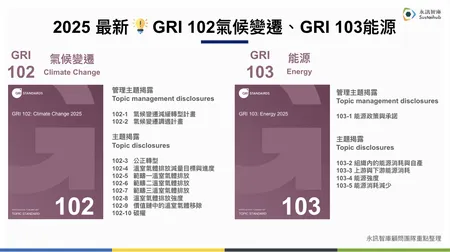
GRI 102 & 103 Update (2027): Climate & Energy Disclosure Changes Explained
Sustainability reporting disclosure is moving from compliance to substantial governance management disclosure. With the release of the latest GRI Standards provisions in June 2025, including GRI 102 'Climate Change 2025' and GRI 103 'Energy 2025', companies must face more detailed disclosure requirements, from just transition, climate adaptation, to enhanced Scope 3 emission information transparency. This update is not just about changes in provisions, but a restructuring of organizational internal governance logic. This article will help you understand the background of GRI standards updates, key changes in GRI 102 and GRI 103, and where companies should start preparing to respond to the latest standards.
-
ESG Reporting Errors May Lead to Penalties! Four Steps to Correct Data on ESG Digital Platform
Taiwan listed companies must complete ESG reporting annually. However, if errors are found after ESG information has been submitted and not corrected in time, companies may face fines of up to NT$1 million and reputational crisis. This article provides a complete analysis from penalties to the ESG information correction application process, helping ESG officers understand everything at once and reduce potential legal and reputational risks.
-
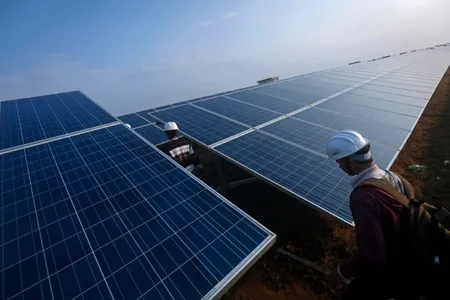
Should You Still Invest in Renewable Energy? Trends and Financing Outlook
Unsure whether to enter the renewable energy market? This article uses the latest data and case studies to help you understand the 2025 global renewable energy trends and market expectations!
-
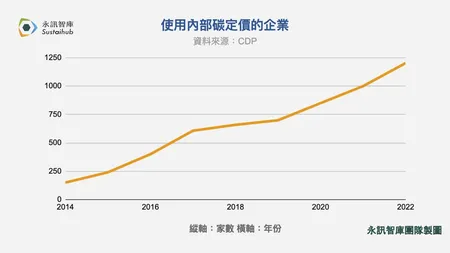
What Is Internal Carbon Pricing? Implementation Steps, Examples and Taiwan Carbon Fee Benchmarks
Growing global concern about climate change means companies face both external pressure and a need for internal change. Internal carbon pricing is an important sustainability tool that incorporates emissions costs into strategy and supports a low-carbon transition. Despite its clear benefits, implementation involves challenges including internal resistance, resource allocation and market volatility. This article explores how internal carbon pricing can help companies succeed in their green transition, with practical strategies and recommendations for balancing these challenges and achieving sustainable development.
-
Taiwan ESG Filing Guide: 2026 Deadlines, Digital Platform Instructions and Common Reporting Gaps
Taiwanese TWSE/TPEx-listed companies must file sustainability reports by 31 August each year as required. This article explains the latest ESG filing system, digital platform functions, key deadlines and common errors to help companies complete the task smoothly, on time and in compliance.
-
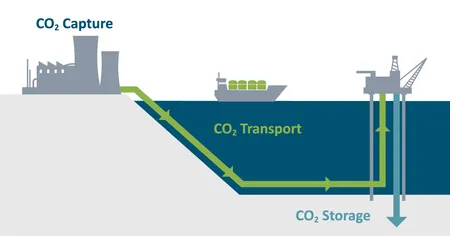
CCUS Carbon Capture Technology: Greenwashing Risks Businesses Must Know Before Procurement
As the world moves toward net-zero emissions, businesses are seeking various carbon reduction solutions to achieve ESG goals. Among them, Carbon Capture, Utilization and Storage (CCUS) technology has been included in national carbon reduction strategies by many countries because it can directly handle carbon dioxide. However, controversy over this technology is growing, and businesses that hastily procure without adequate understanding may fall into 'greenwashing' risks.
-
From Disclosure to Decision-Making: How TWSE ESG Digital Platform Supports Corporate Sustainability Transformation
Facing the global sustainability wave and information disclosure trends, businesses and investors have increasingly urgent needs for ESG information. To help stakeholders more effectively grasp the sustainability pulse of Taiwanese companies and markets, the Taiwan Stock Exchange has launched the ESG InfoHub digital platform, integrating key sustainability data from official institutions to provide one-stop information inquiry and comparison functions.
-
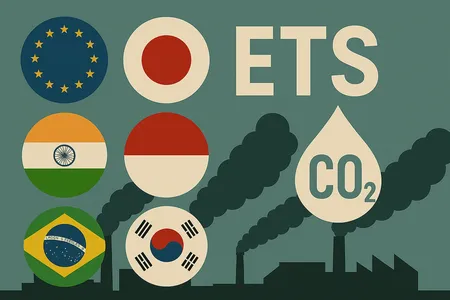
Carbon Markets Worldwide: From Cap-and-Trade to Taiwan's ETS Pilot
Taiwan's carbon fee system officially launched in 2025. The Ministry of Environment plans to present a draft cap-and-trade (ETS) pilot plan by the end of 2026, prepare in 2027 and target a pilot launch in 2028, moving towards a dual carbon pricing framework aligned with global markets. How can companies prepare for international requirements such as CBAM? This article examines ETS design and implementation in the EU, Japan, Korea and several emerging economies to help businesses develop strategies and act early.
-
Past Corporate Governance Evaluation Results: 11th Edition Review and 12th Edition Indicators
This article reviews the 11th Corporate Governance Evaluation results for ROC year 113 and indicator changes for the 12th edition in ROC year 114. ESG Evaluation replaced the system from ROC year 115. For the current framework and new results timeline, see the separate ESG Evaluation article.